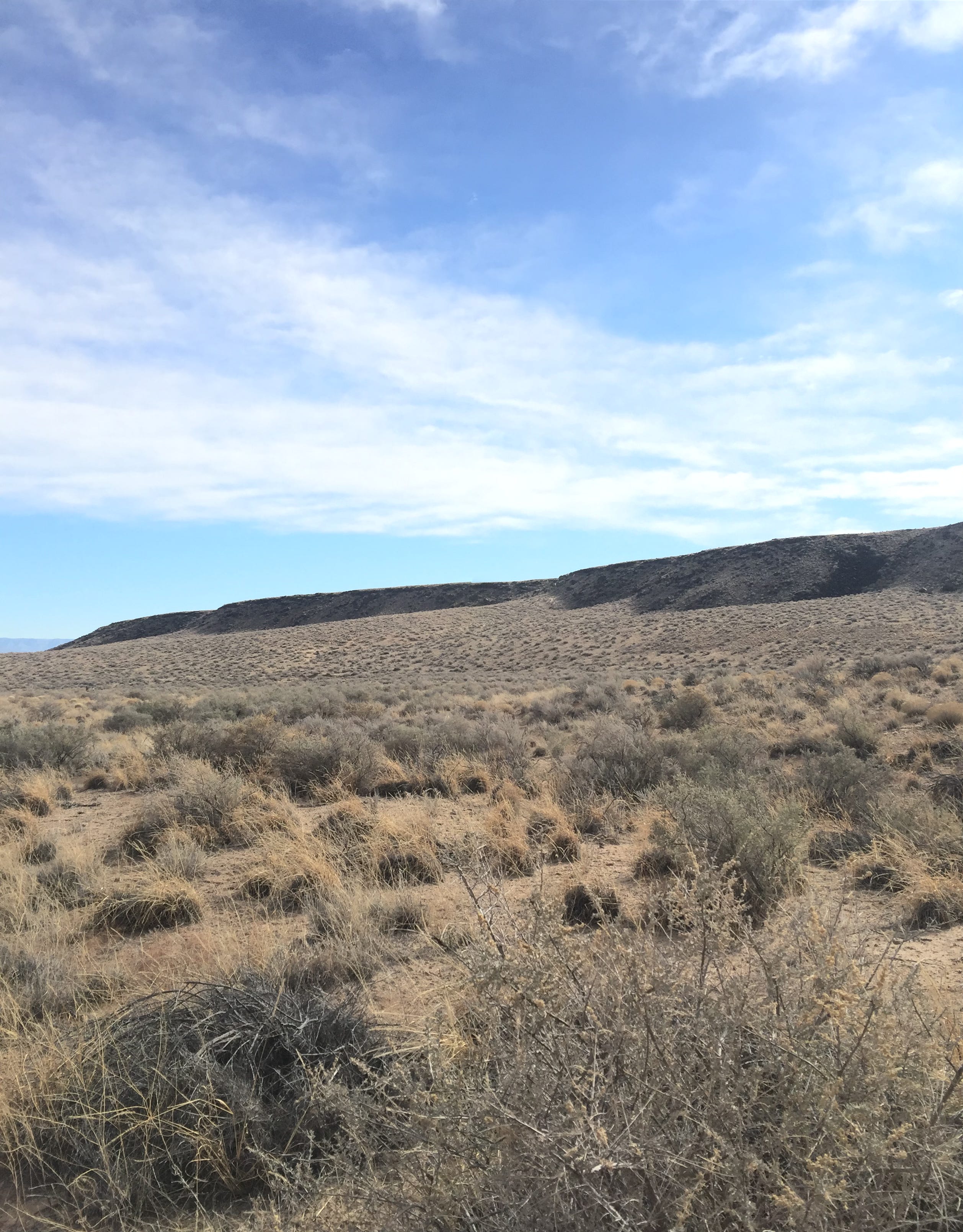
We left the children of Israel in the early part of their 40 years (translation: a couple of generations) of wandering in the wilderness. As a kid, this part of the story called up images of hordes of people in long robes trudging around the desert, just walking and walking, moaning, kicking up a lot of dust, moaning some more.
In fact, it was more a time of solidifying a cohesive identity of a nomadic people — of getting organized around certain principles and beliefs, of what their beliefs required of them, of coming to agreement about how to get on together, and most of all about how to become one out of a sort of ragtag gathering-up of related folks (when you read “nation” think “ethnic or people group”).
The first five books are the story of how this people group came into being — the “origin story” of Genesis and the multiplication of the population; Exodus when Yahweh Elohim delivered them from slavery in Egypt and opened the opportunity to become their own people group who worship the One True God; Leviticus, basically instructions about worship, named for the Levites (one of the 12 tribes of Israel)1 who were designated as priests; Numbers, so named because it begins with a census, but actually it’s titled BaMidbar (בְּמִדְבַּר) meaning “In the Desert” or “In the Wilderness”; and Deuteronomy, meaning “the second law” and which is Moses’s farewell address from the stage of the biblical story as the children of Israel prepare to enter the land Yahweh Elohim promised them, Canaan.
Okay, let’s pump the brakes for a sec and remember, this is not history where a scribe walked around and wrote down everything that happened. This is a retrospective that ponders, “How did we get here? How did we come to be who we are and what does it mean to be people who worship One God when surrounded by polytheism?” We all have stories we tell ourselves — as individuals, as families, as nations2 — that are part of the lore of “How we came to be us.”
As in these first 5 books, the ongoing story of the Old Testament is filled with characters who are good and do bad things, characters who are bad and inadvertently do good, and lots of characters who are wildly complex and honest mixtures of both. (Sort of like all of us, yeah?) We see power struggles and intrigue, battles and skirmishes. We see daily life and steamy love stories (cough, cough, Song of Solomon, cough, cough). We see horrific abuse and slaughter. We see gains and losses.
Always, Yahweh Elohim is intimately involved in all of it, sees all, knows all, holds all. Their3 heart gets broken over and over by the people’s infidelity as the people repeatedly turn to other gods.4
This is the seesaw that is the story of the people of Yahweh Elohim — they make promises to Yahweh Elohim, give their worship and adoration, then doubt and wander, are drawn away from Yahweh Elohim and turn to other gods, tragedies ensue, they cry out, Yahweh Elohim takes pity, even when They don’t want to. Like the protagonist in a Country Western song, Yahweh Elohim wails, You Broke My Heart, and I Should Break Up With You For Good, But I Just Can’t Cuz I Love You Most of All.
It’s quite the cycle that rinses and repeats.
Jacob/Israel had 12 sons whose clans/tribes settled in areas around the Jordan River. Reuben, Simeon, Levi, Judah, Issachar, Zebulun, Dan, Naphtali, Gad, Asher, Joseph, and Benjamin.
In fact, we’re getting ready to do that in a couple of weeks with our July 4th celebration.
Reminder that “Elohim” is plural (“im”) of El.
Okay, so you’ve moved from being nomads with your herds to settling down in an arid climate, and you’re having to make a go of growing food to survive as well as food to give your herds so they can survive. The locals worship this guy Ba’al, a Canaanite-Phoenician god of fertility and rain (Ba’al is just a title meaning “owner” or “lord” that came to be applied to various gods). Wouldn’t you hedge your bets, just in case Ba’al actually has the power to bring rain? I mean, what’s the harm? A little offering here and there. Because it sure has been dry, and the crops are looking pretty bad.


I liked the way you related the titles of songs to God's forgiving nature. May I offer another one..."Give Me One More Last Chance." I got a kick out of that song title!