Okay, so the northern kingdom of Israel has been eradicated, and now the southern kingdom of Judah is exiled into Babylonia, with Jerusalem and the Temple1 having been destroyed.
We think of living in exile as something akin to the time of Egyptian slavery, with subjugation, terrible conditions, and abuses, and there definitely was that. But often those brought into exile entered into society, adapted to the polytheistic culture, became tradespeople and merchants, married the locals and had children.
Now, think of the generations over the years in exile and the disappearance of those who cleaved to Yahweh, the one true God, and the worship and observances that were seminally part of the Hebrew identity. 2
And therein lies the most enormous risk, not only the suffering of the people, not simply having to live with the grief of being cut off from your homeland, but the fatally serious loss of identity as the people of Yahweh, the loss of the people who would carry the story forward, of the One True God who created all that is and holds humanity in Their heart.
When you think about it, it’s a miracle the faith and its traditions survived at all.
From nearly the beginning we see there is purpose in every action God takes. In Genesis 12, God calls Abram with this caveat. “Now the Lord said to Abram, ‘Go from your country and your kindred and your father’s house to the land that I will show you. And I will make of you a great nation (people group), and I will bless you, and make your name great, so that you will be a blessing.’”
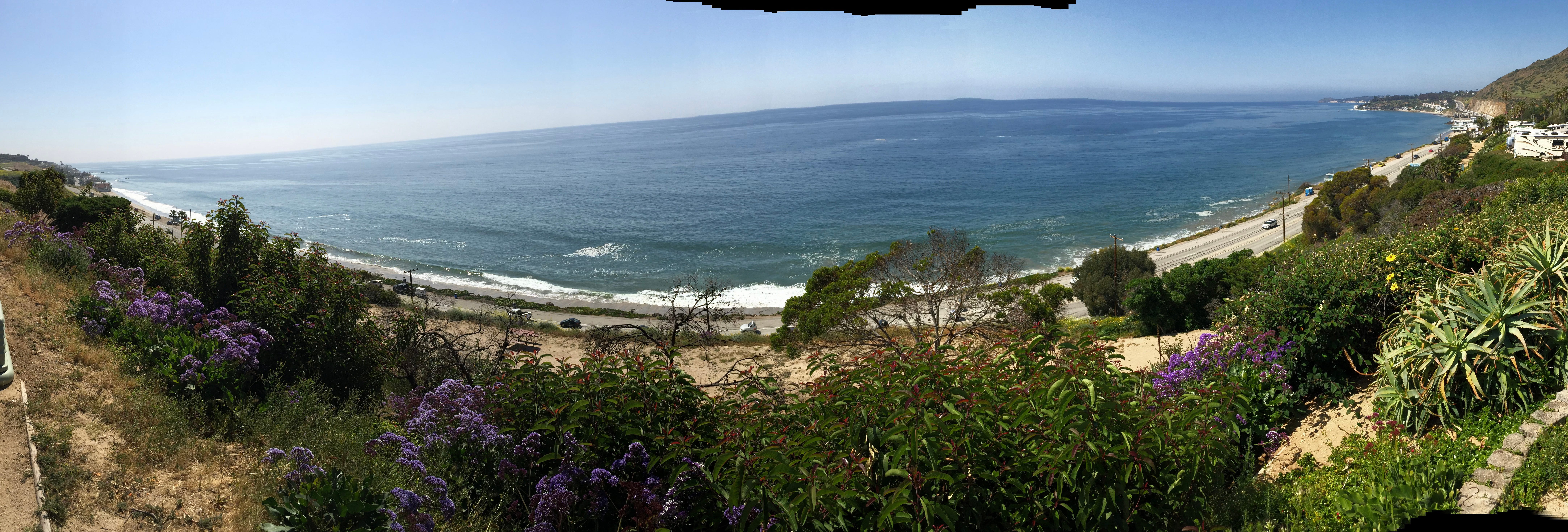
In my mind, as I lean forward in my overstuffed chair on the wide porch of The Treehouse and survey our ever-expanding view, the operative words are “so that.” It’s the “so that” which every prophet is calling the people back (and forward) to.
As I read the story, there is supposed to be a difference in the world because the created, gathered, and called people of God are in it, and the difference involves fulfilling God’s intentions of holding one another with mutual concern, the obligations to care for each other and to be caretakers of the earth, to offer a welcome to the stranger, to feed and cloth those who are in need, to rely on no other God but Yahweh Elohim as the only source of real Life.
“Get your sh*t together, and remember who you are” might be a general translation of all the prophetic messages, and, we can add, “Remember whose you are, and because of that remember what is expected, what is even required of you.”
And what is required? Reflect on this well-known passage from the prophet Micah. Following the announcement that Yahweh has “a complaint” (think court case) against Israel, the prophet states, “He has shown you, ha-adam, what is good and what is required of you: to do justly, to love mercy, and to walk humbly with your God.”
What is out of balance is supposed to be brought back into balance, thus returning to/moving forward to The Exhale’s original intention of shalom.3
Solomon’s Temple, or the First Temple, was in Jerusalem, in Judah. Remember, the Temple was where the Ark of the Covenant, containing the tablets with the Ten Commandments, was said to be housed, so loss of the Ark would deal a shattering blow to the people of Judah. (There was no longer any Northern Kingdom (Israel) at this point. If you’ve heard of the Lost Tribes of Israel, that refers to the ten tribes that split off. According to the Biblical record, at this point in history, there is only Judah.)
A reminder: I am drawing with sweeping brushstrokes to tease out my interpretation of the underlying and consistent themes. I’m not a biblical scholar. But I do know how to read a story and point to what pulses like an artery through the body of work.


The quote from Micah has always stood out for me. Thank you.